


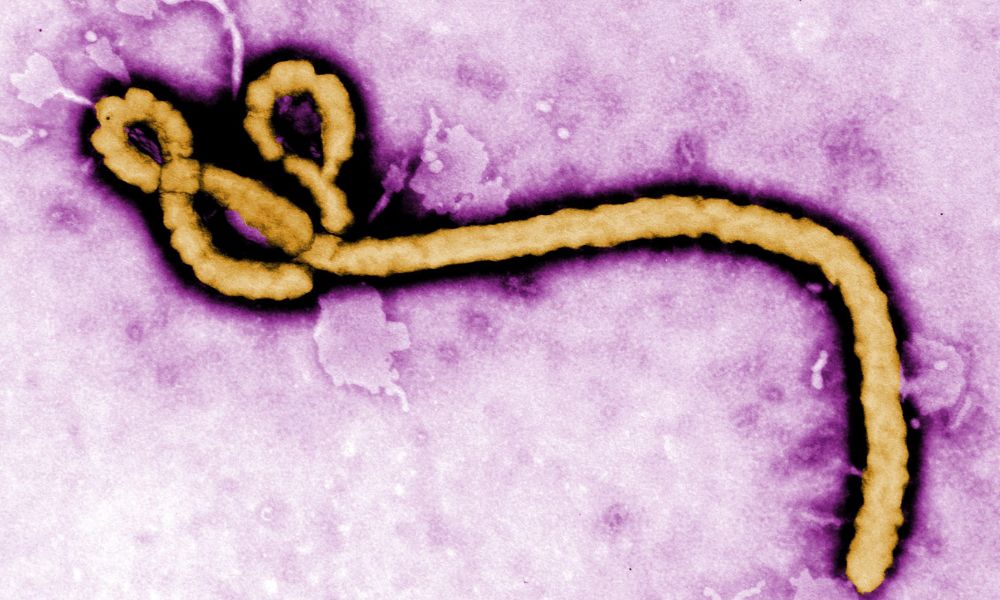
Kenya has confirmed a third case of Ebola, involving a 65-year-old woman who had been quarantined after being identified as a close relative and primary contact of the country’s first two patients, the Ministry of Health announced Friday.
The woman had been in quarantine since Oct. 6 and developed a fever, sore throat and general weakness, prompting health officials to isolate her and collect samples for testing.
Tests conducted at both the National Virology Reference Laboratory and the Kenya Medical Research Institute laboratory confirmed infection with Bundibugyo virus, the ministry said.
The patient has been transferred to an infectious disease unit, where she is receiving supportive care. Kenya’s second patient remains in stable condition and is responding to treatment, according to the ministry.
Health officials have identified 130 contacts linked to the cases, with 127, or 97.7%, traced and placed in quarantine. Authorities are working to locate the remaining 3 contacts.
The ministry said there was currently no evidence of community transmission and assessed the risk to the general public as low, while warning that additional cases could emerge among people already under monitoring.
The new case comes as the Ebola outbreak continues to affect the Democratic Republic of the Congo, where the vast majority of infections and deaths have been reported.
According to the latest figures in the Oct. 15 situation report, Congo has recorded 9,277 confirmed cases, including 4,478 deaths, with 2,486 people recovered. The country reported 65 additional cases, 37 more deaths and 38 additional recoveries in the latest update.
Uganda has reported 20 cases, with 18 recoveries and 2 deaths. Kenya’s figures stand at 3 cases, 1 death and no recorded recoveries in the report. France has recorded 1 case, with the patient recovered and no deaths reported.
France’s case involved a health care worker who tested positive for Bundibugyo virus after working on the outbreak response in Congo. The patient was medically evacuated to France in June and discharged from care on July 4. The World Health Organization reported no secondary transmission linked to the case.
Across the four locations, the figures amount to 9,301 confirmed cases, 2,505 recoveries and 4,481 deaths.
Bundibugyo virus spreads through direct contact with the blood or other bodily fluids of an infected person or someone who has died from the disease. It does not spread through the air, according to Kenya’s Ministry of Health.
Kenyan authorities have expanded infection prevention measures, distributed protective equipment and strengthened screening at high-risk points of entry. Travelers arriving from 10 high-risk countries are subject to enhanced screening procedures.