


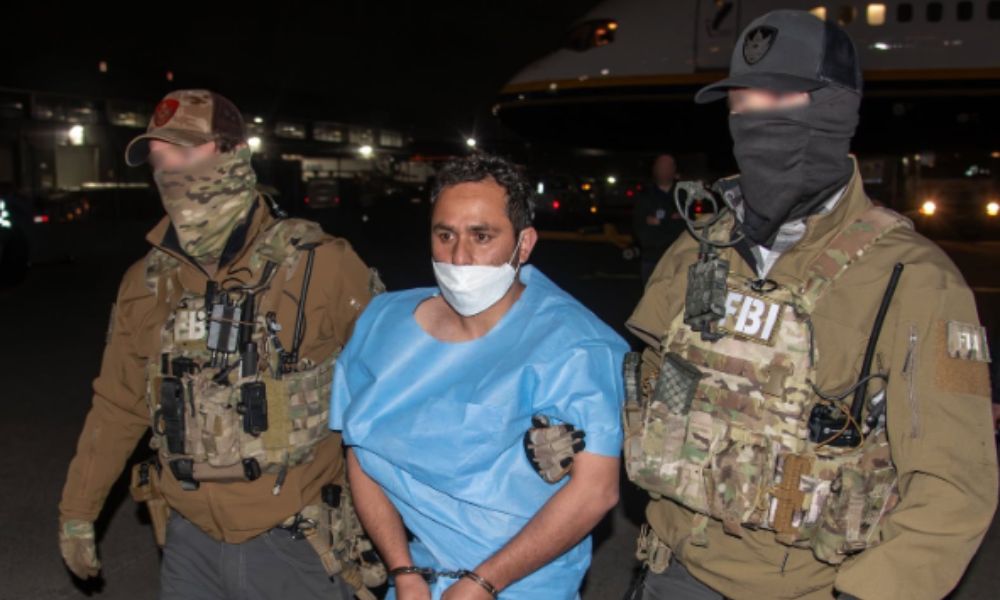
Afghan national Mohammad Sharifullah, a member of ISIS-K, has been sentenced to 20 years in prison for his role in a nearly decade-long conspiracy to provide material support to the terrorist organization and participate in multiple attacks, the U.S. Department of Justice said.
Sharifullah was involved in more than a dozen ISIS-K attacks between 2016 and his arrest in 2025, including the 2021 bombing at Abbey Gate in Kabul that killed 13 U.S. service members and approximately 160 civilians.
On Aug. 26, 2021, U.S. and coalition forces were carrying out an evacuation operation at Hamid Karzai International Airport as thousands of civilians gathered at Abbey Gate. Prosecutors said Sharifullah was tasked with surveilling a route to the airport and informing ISIS-K leadership whether it was clear of Taliban checkpoints.
Sharifullah traveled the route and reported that it was clear. Hours later, ISIS-K operative Abdul Rahman al-Logari detonated a suicide bomb at Abbey Gate, killing 13 U.S. military service members and approximately 160 civilians.
Sharifullah was also involved in an ISIS-K attack targeting Nepali security guards protecting the Canadian embassy in Kabul in June 2016. Prosecutors said he conducted surveillance before the attack and later transported the suicide bomber to the location.
He was also linked to the March 2024 attack on Crocus City Hall near Moscow. According to court records, Sharifullah provided instructions on the use of AK-style rifles and other weapons to the attackers and communicated with them during the attack. More than 130 civilians were killed and many others injured.
Throughout his involvement with ISIS-K, Sharifullah carried out various tasks for the organization, including surveillance, transporting suicide bombers and weapons, relaying communications and recording explosions for propaganda purposes.
“Today’s sentence holds him accountable for the blood on his hands,” Assistant Attorney General for National Security John A. Eisenberg said.
The FBI Washington Field Office investigated the case, while prosecutors from the Eastern District of Virginia and the Department of Justice’s National Security Division handled the prosecution.